Photography: Selections from Saint Andrews
Aramis D. M. Valverde
J.D. Candidate at American University Washington College of Law
M.A. in Bioethics Candidate at New York University
M.S. in Cognitive and Information Sciences, University of California Merced
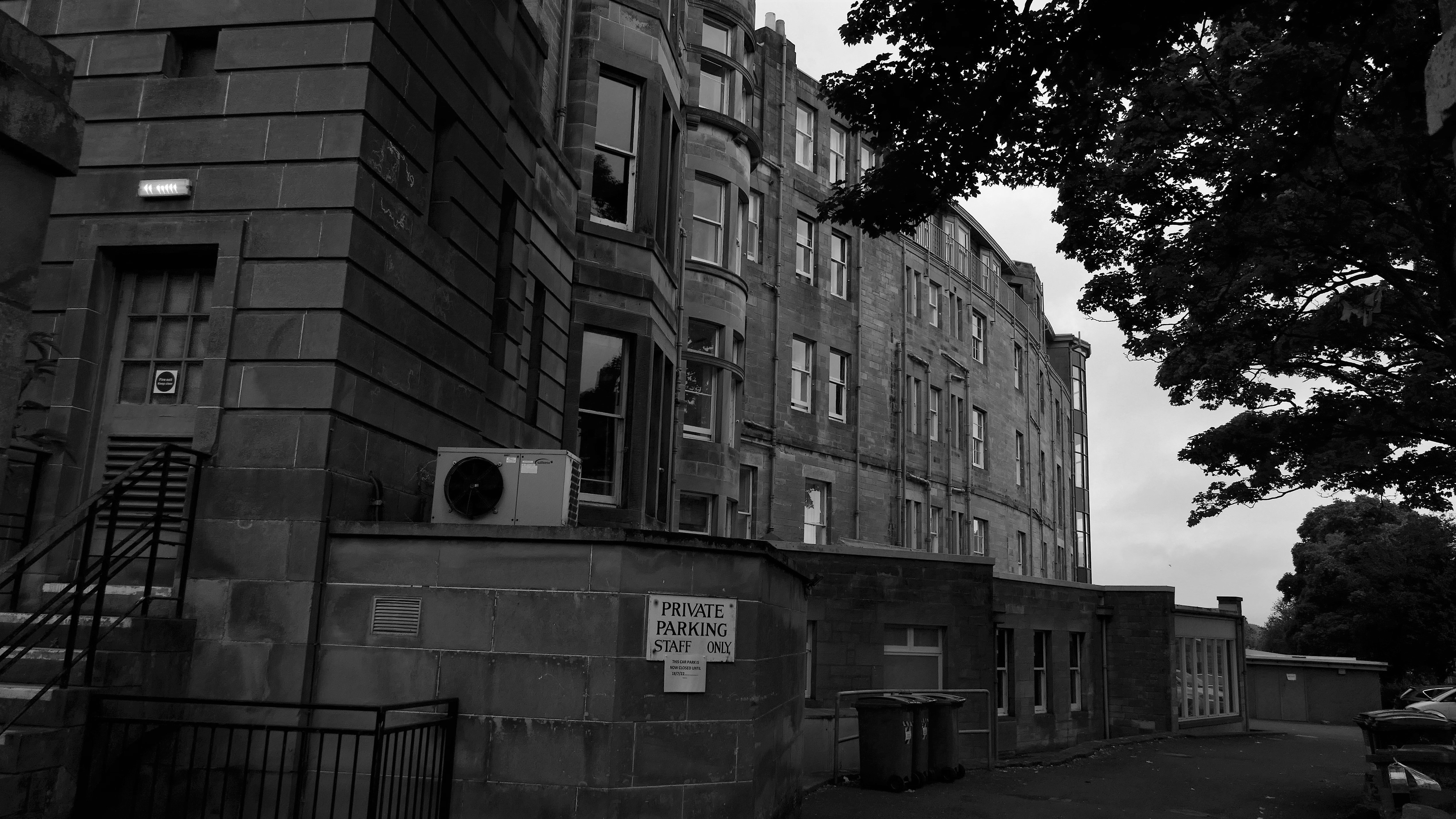
St. Andrews McIntosh Hall
The University of St. Andrews in Scotland is one of the oldest universities in continuous operation. I spent about a month in the dormitories you see here. Built in 1850, the hall, like much of the university, is a built structure within built structures, with an exterior and core of substantial age, and an interior facade of more recency.
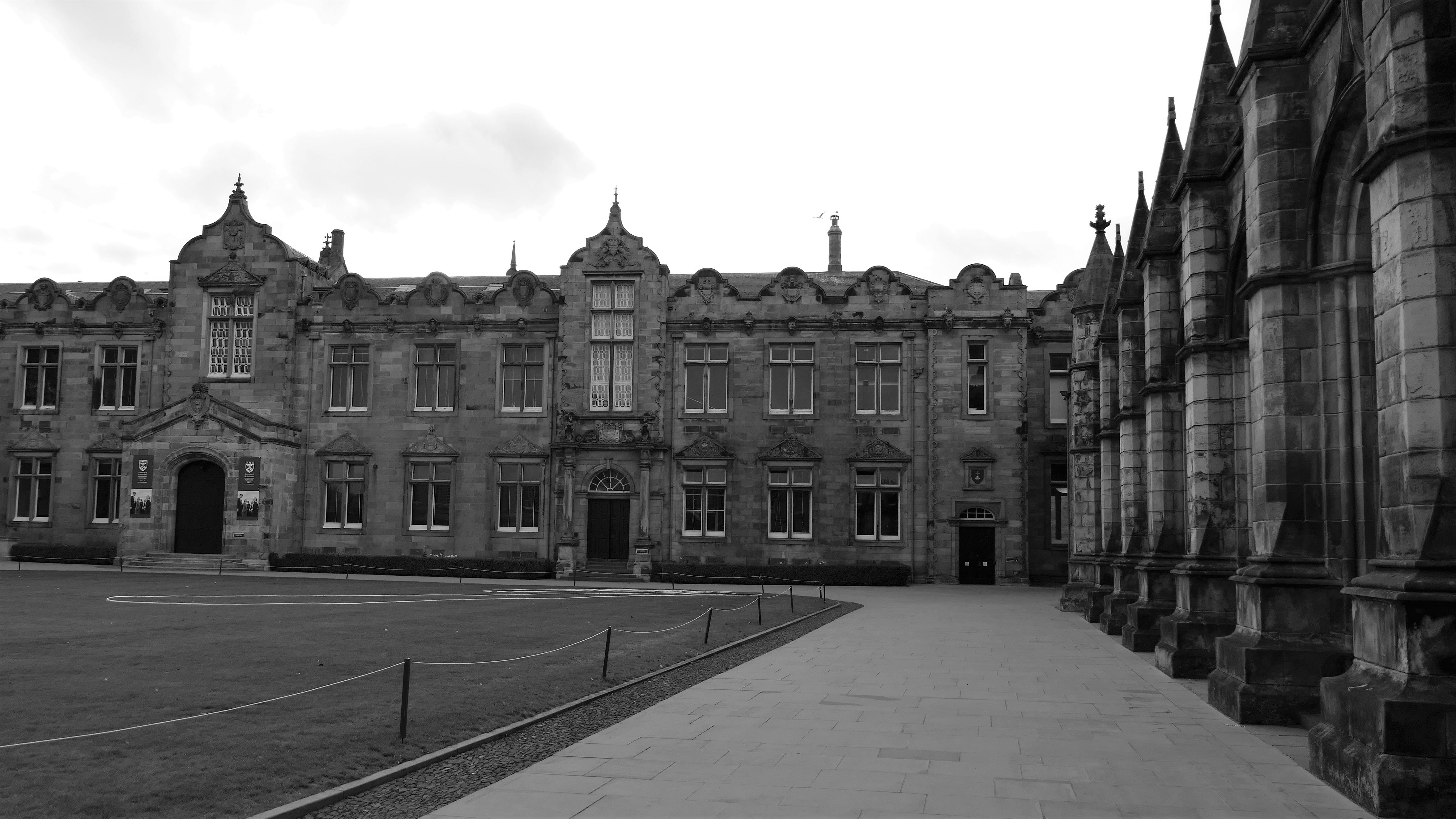
St. Salvator and The Quadrangles
This is where the majority of our work took place. Old places have stories of ghosts and hauntings, these are often told by people who are otherwise normal, and would not themselves entertain such ideas were it not for their own experiences, making their stories all the more compelling. Here, the stories of hauntings and the like were explained expeditiously by the two objects present in every room in this building; an aerator, and a carbon monoxide detector, that would beep every so often to tell us to turn on the aerator, and further remind us to open the sparsely distributed windows.
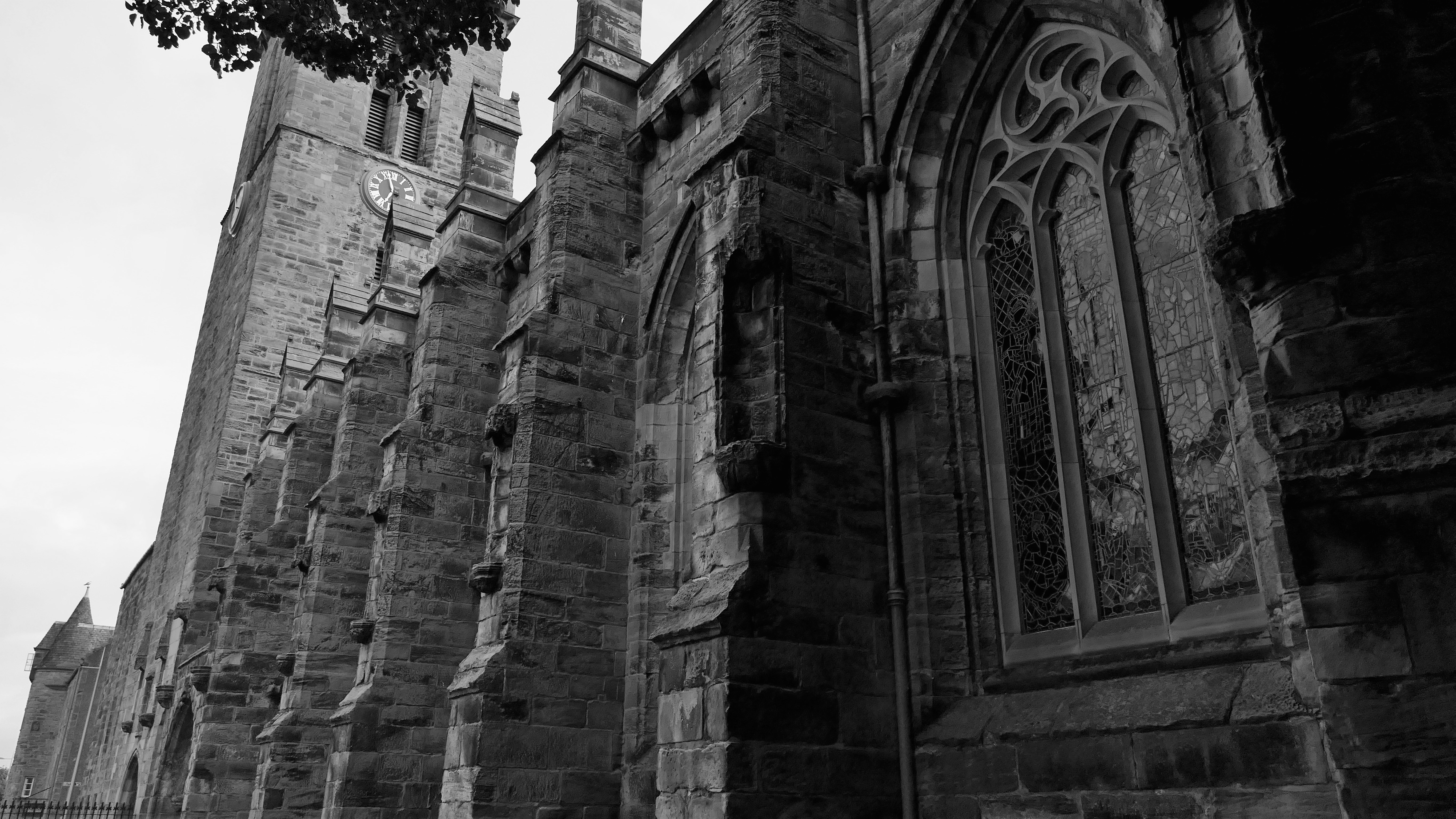
St. Salvator's Chapel
This was the first chapel named after Christ I had ventured into. The stained glass was marvelous, and the figures outside, washed smooth by centuries of rain, reminded me of what the same kind of site would have appeared like to those on the isle visiting the sites left by Romans centuries before them.
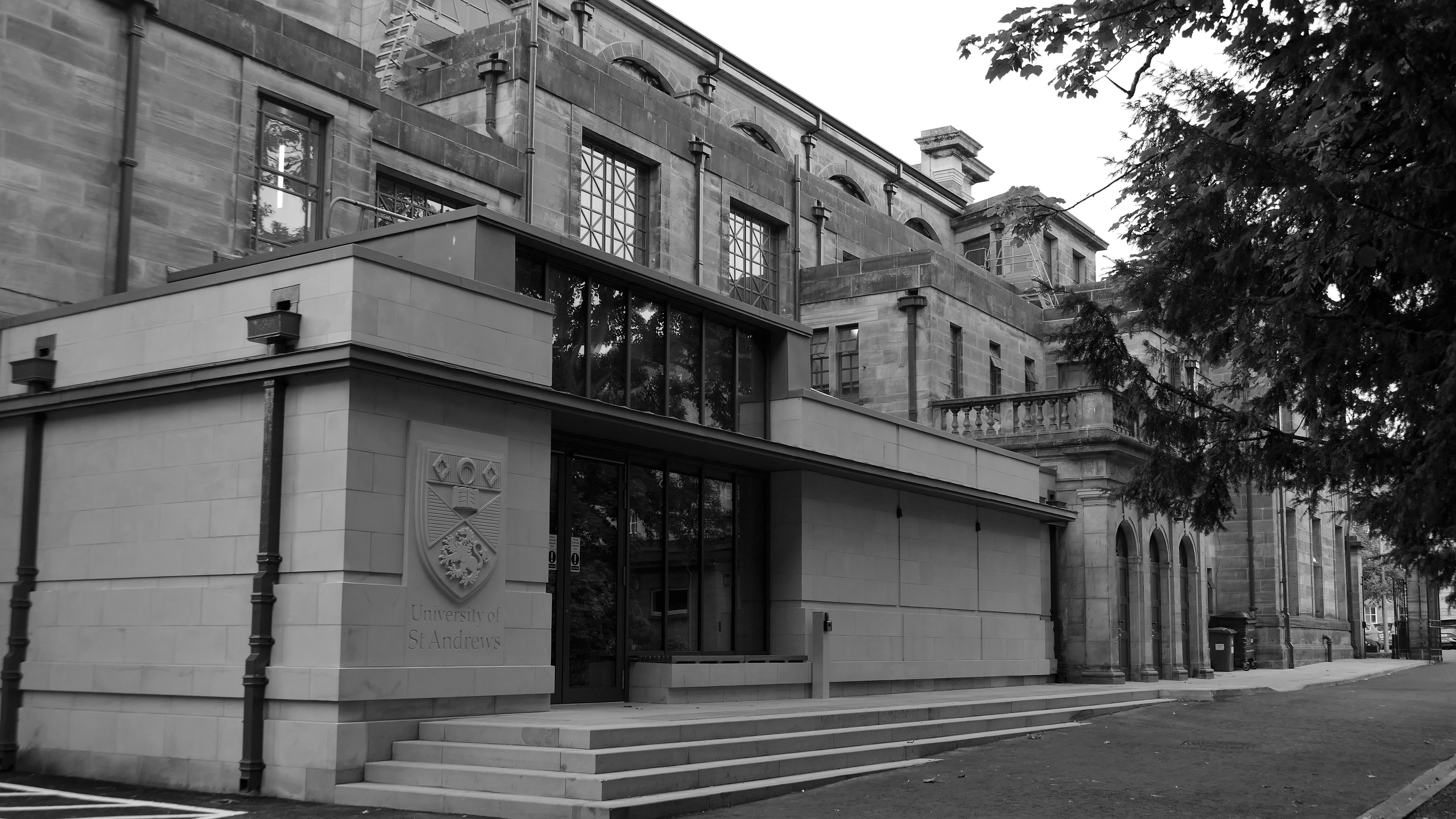
A Random Building
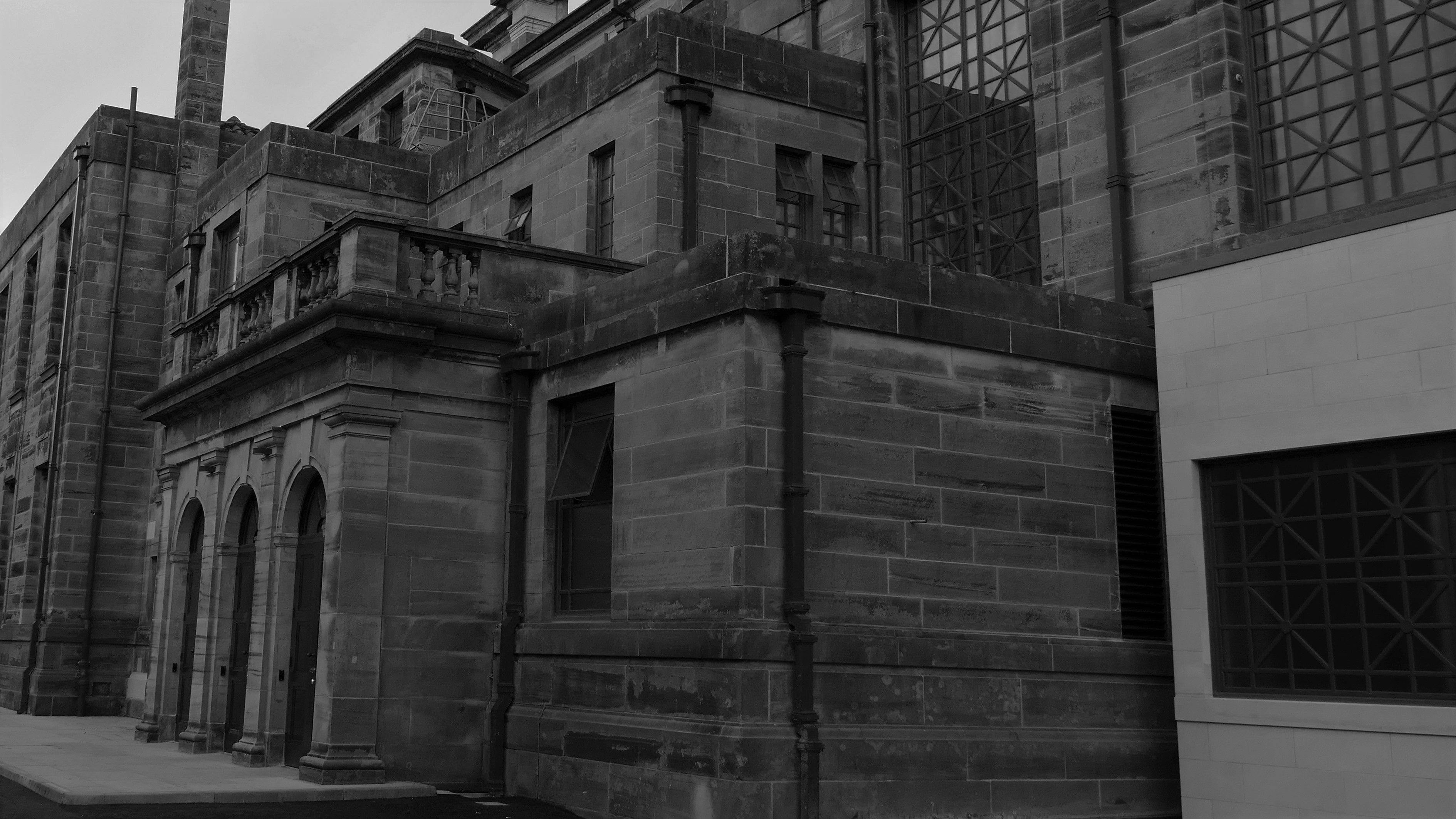
No other area seemed to quite so vividly demonstrate the cut and paste nature of St. Andrews as this section of a building. You can see three types of architectural schools of thought present here, built one atop the other.
That Same Random Building From The Last Photo
So, there is this idea that ancient academies, usually magical, have secret passageways as seen in Elden Ring, or Harry Potter, or any number of other popular media. This is a real thing, except for the magic, presumably. A professor here told me that not even two years prior, a secret passageway had been found after someone moved some boxes in a storage room, which led to a cabinet where exams were kept. Other similar areas have been repeatedly found, closed-off, and then rediscovered at other dates. There is not much one can do except put the thing to use, or try and block it off. More often than not, its easier to just close off the space.
Younger Hall
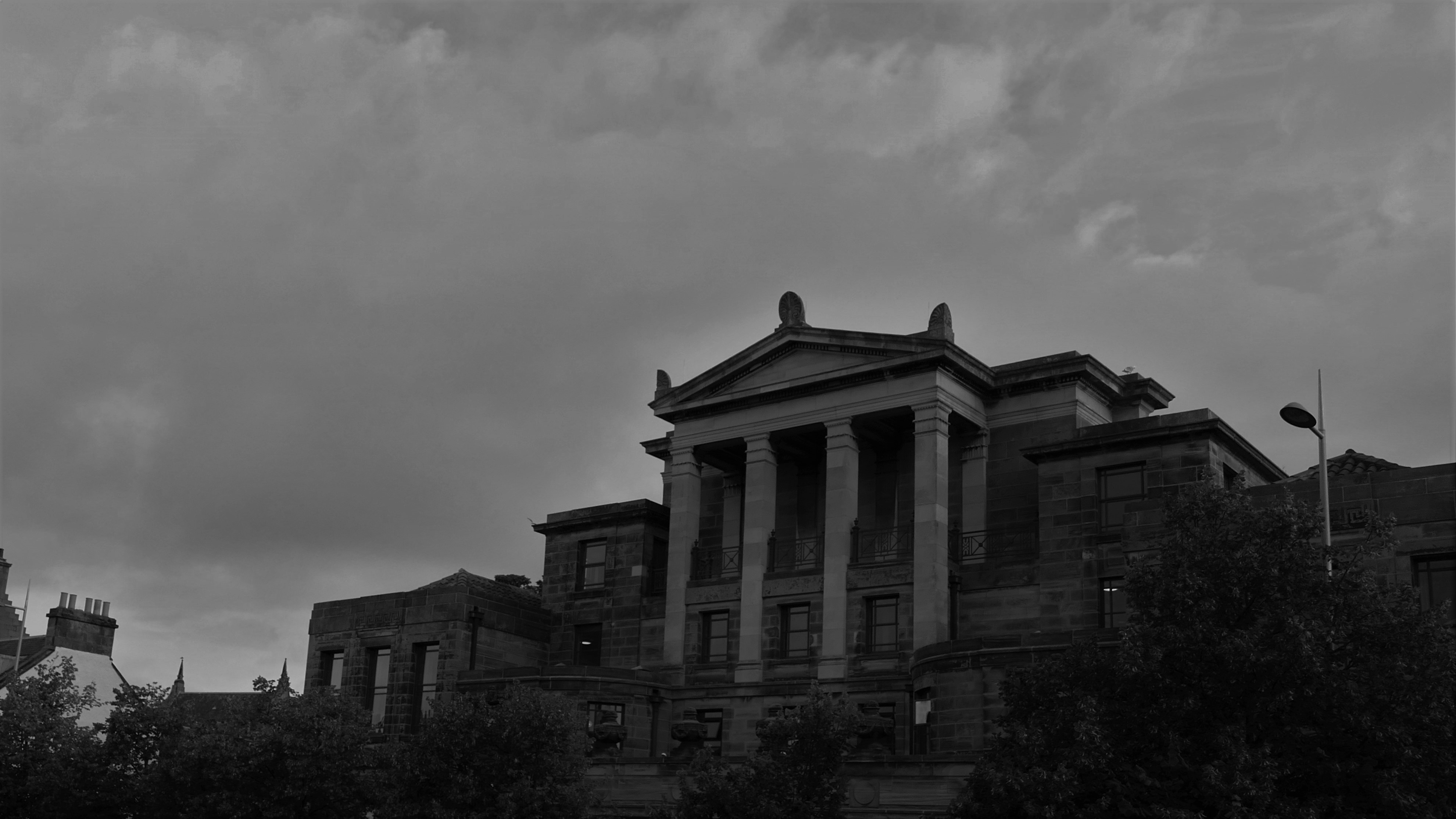
It is just a hall, for events and concerts and the like. The Neo-Classical style, to me, is somewhat strange to see in a concert hall. For instance, if you were to walk into a building that is structured like the Supreme Court, it would be odd to find a Tesco inside. However, I did stop by a Tesco in a building older than the United States, in Edinburgh, so perhaps this is an American trepidation.
A Street
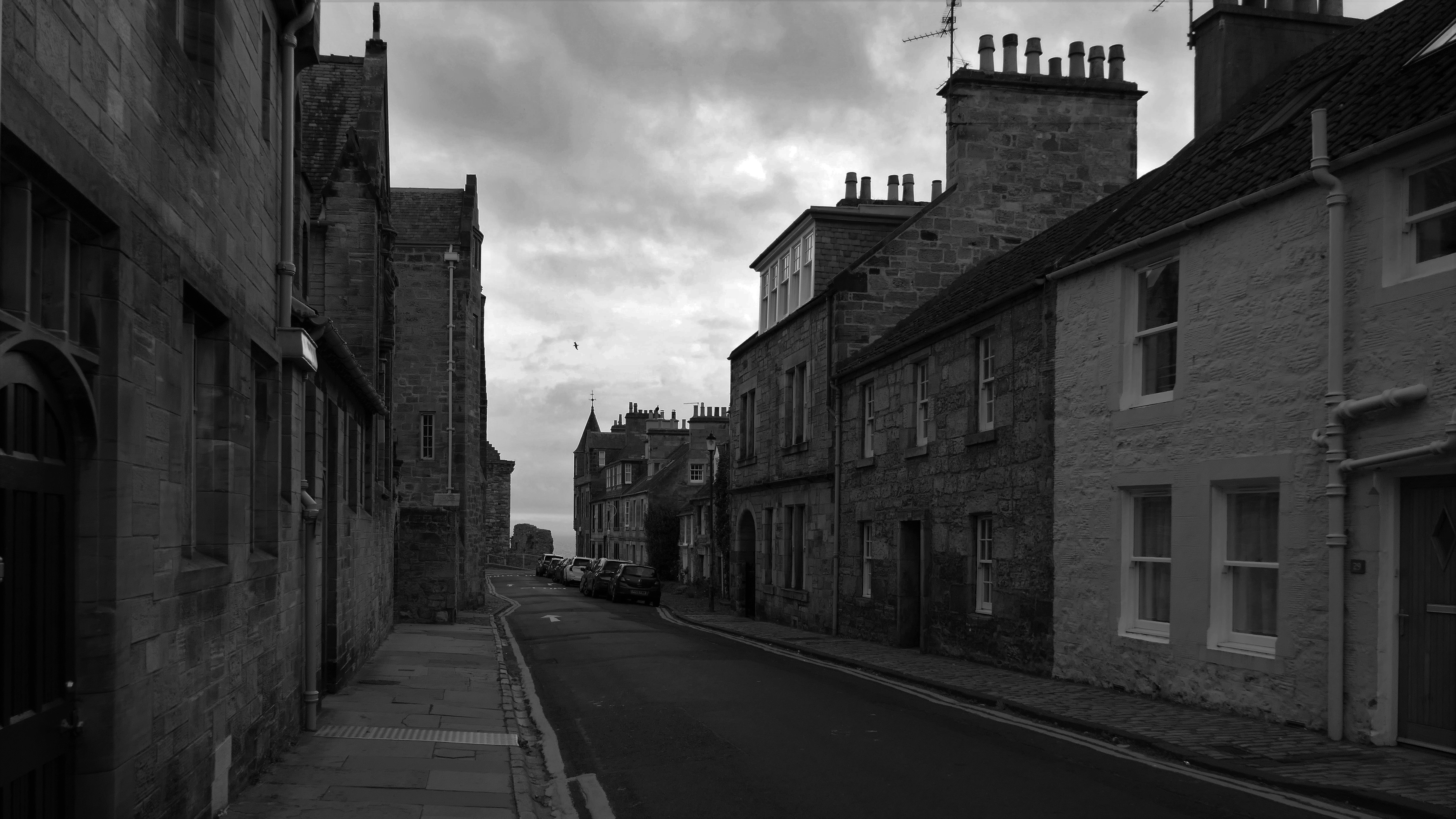
Just a street, people live here. St. Andrews has a mix of folks who ccan trace ownership to their homes for centuries, folks from across the globe, and a random set of very wealthy people.
Student Cafe
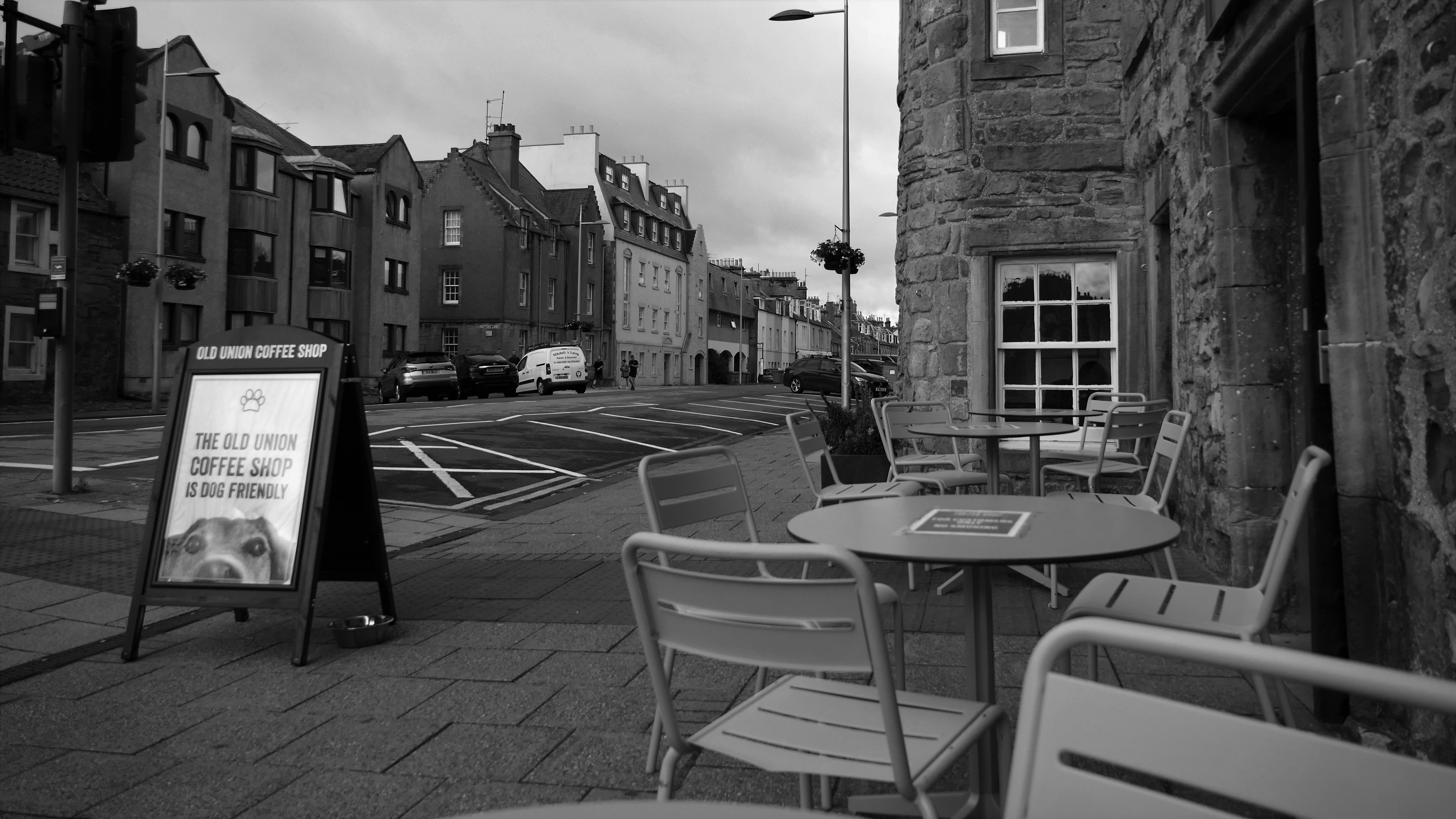
This cafe was great. I recommend it. Thats it.
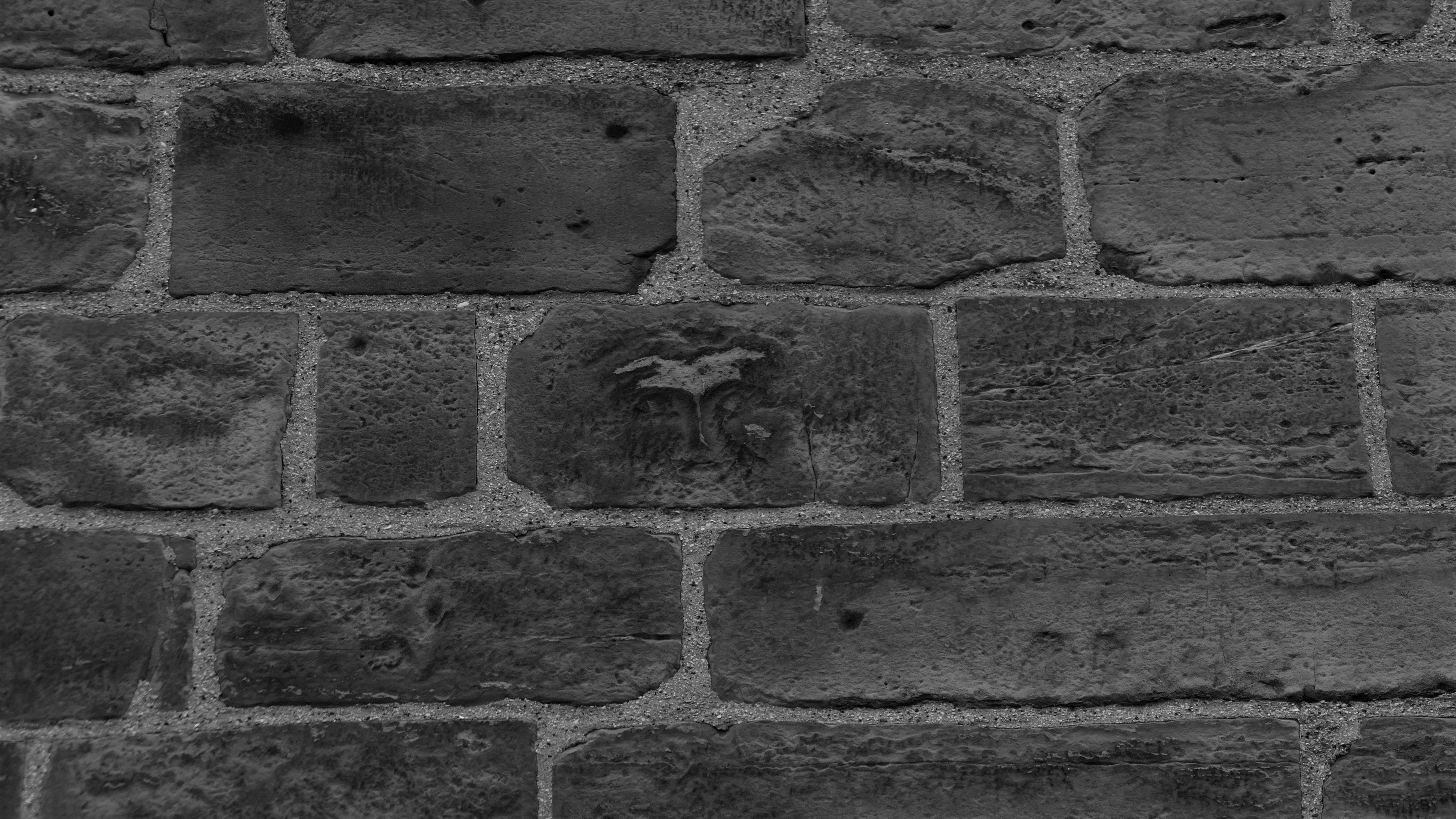
A Face Which Definitely Wasn't Carved Into The Stone
The story of this face, which rests on St. Salvator's Chapel, is as follows: Patrick Hamilton, who was burned at the stake in 1528 was burned at the stake infront of the Chapel for his protestant beliefs. The following day, according to the stories, that face appeared in the stone, a miracle of some sort to commemorate the murdered Mr. Hamilton. The The university website , presumably to assuage potential students that such violence is long past, states that "Fortunately, St Andrews today is unlikely to treat its students in quite the same way as it did Patrick Hamilton".